Agentic SAST
Scans code and shares risky paths with every other agent.
One AppSec Suite for agentic modules and intelligent prioritization. Athena finds risk across your stack. Resolve triages findings across your tools and tells you what to fix first.
Industry leaders rely on Athena to protect critical assets and streamline security operations across their stack.







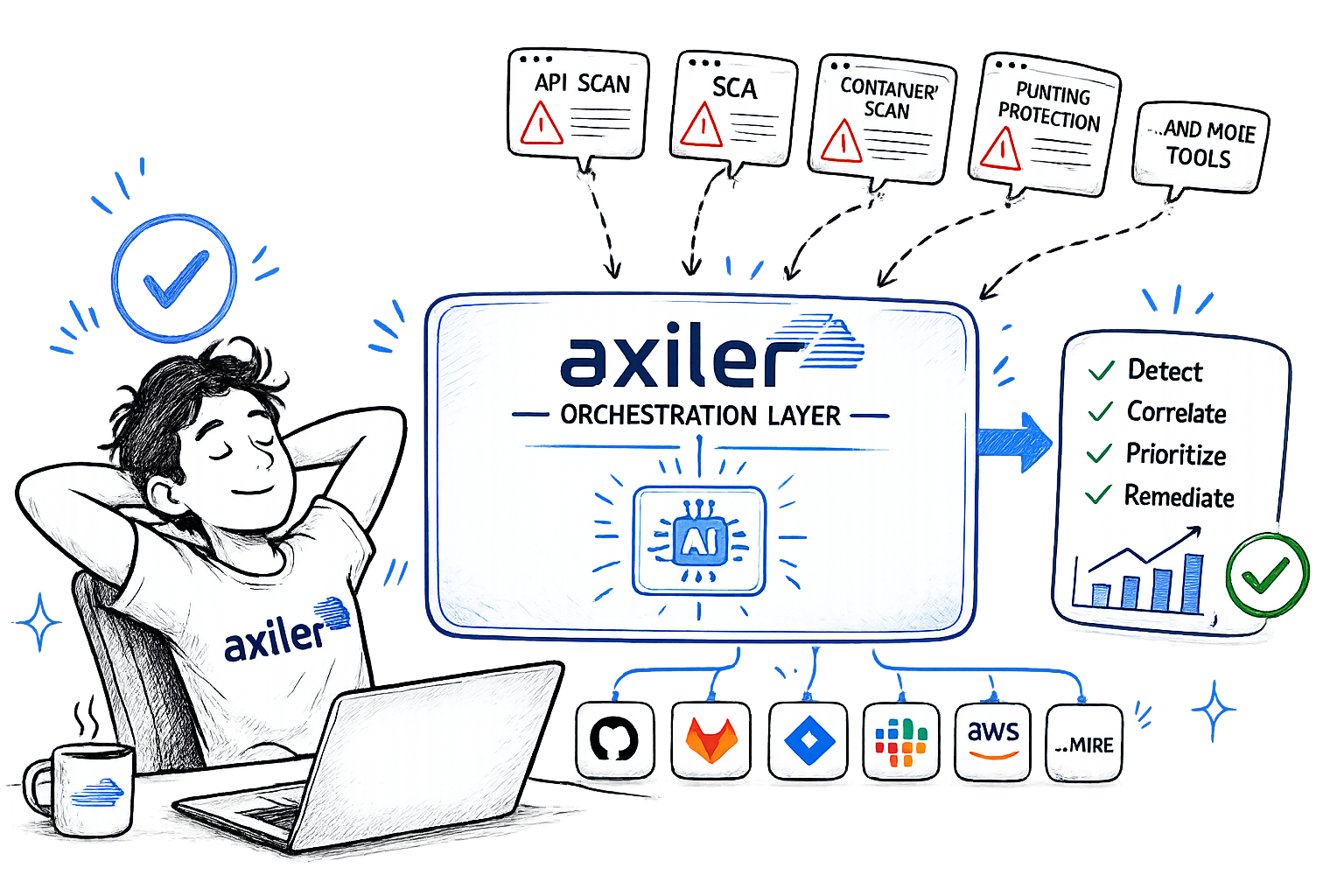
Connect Athena to the SAST, DAST, WAF, SCA, and CSPM tools you already run. Resolve ingests and correlates their findings in minutes, with no rip-and-replace.

















The problem
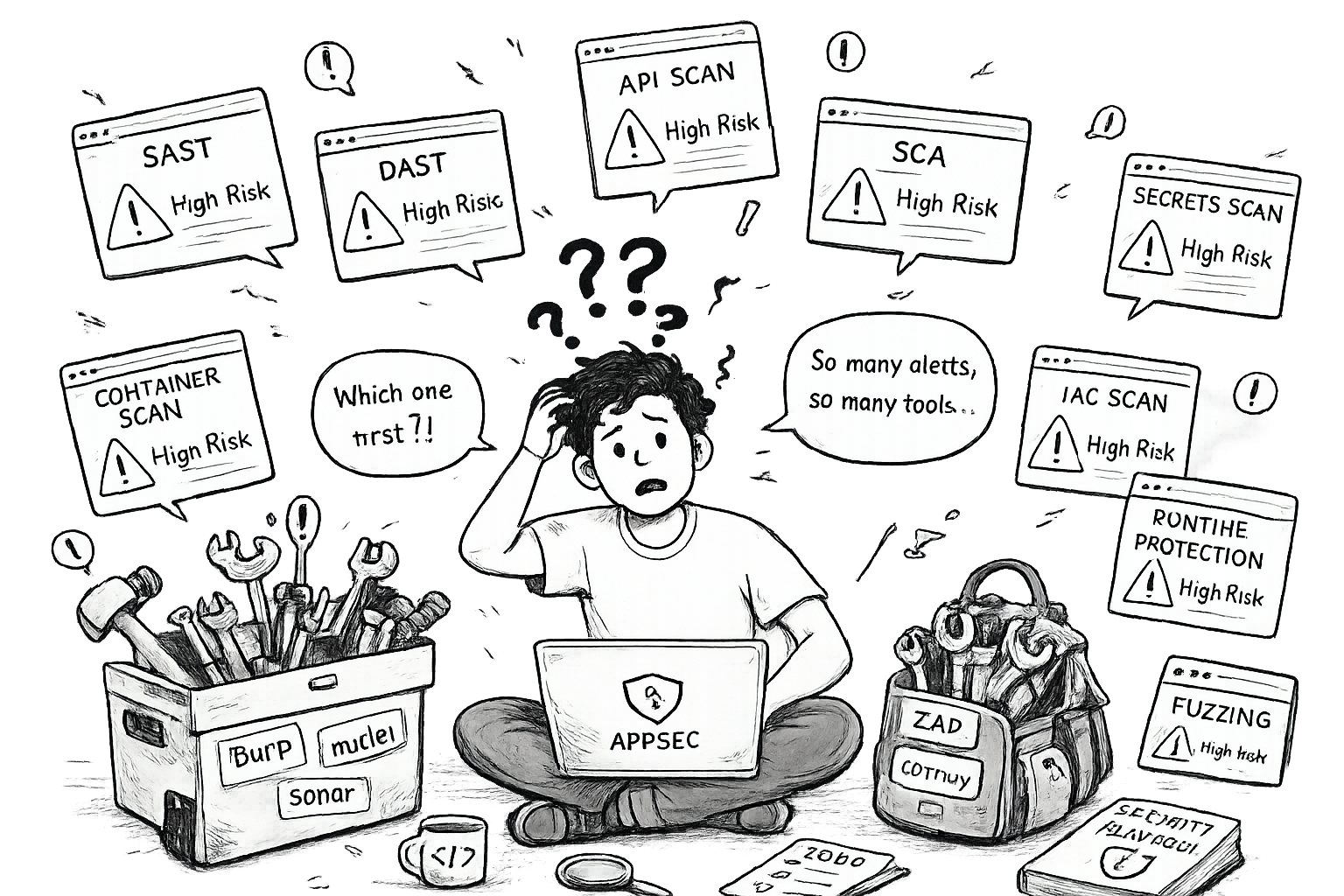
Your scanners are doing their job. The problem is you have seven of them, each speaking a different language, each writing to a different dashboard. The data is there. The context isn't.
Security engineers spend more time correlating spreadsheets than fixing vulnerabilities. Scanners do not talk to each other. Agentic modules should.
Athena + Resolve
Athena's agentic WAF, SAST, DAST, API, and cloud modules feed Axiler Resolve. Resolve ingests third-party scanners too, correlates everything, and outputs one ranked queue with full context.
Scans code and shares risky paths with every other agent.
Probes live apps and confirms what is actually exploitable.
Maps API exposure for the rest of the stack.
Watches attack traffic and feeds live signals into Resolve.
Flags cloud posture and internet-facing assets for the queue.
Ingest findings from tools you already use.
Shared context is reviewed before it enters the queue your team acts on.
Correlated findings surface as a single prioritized list.
Connects every Athena module and your existing scanners. Findings are correlated with runtime and code context, then ranked into one remediation queue with human approval.
A standard SAST tool finds a flaw and stops. Athena's agentic modules keep talking through Resolve. WAF tells SAST what is under attack. DAST confirms what is exploitable. API and cloud agents flag routes the others should care about. Shared context goes through human approval, then lands as one ranked queue.
How it works
Athena's agentic modules detect and share context. Axiler Resolve triages their findings across your existing stack and delivers one ranked queue to act on.
Plug in your existing SAST, DAST, WAF, API, and cloud tools, or run Athena's agentic modules. Resolve ingests 30+ integrations with no rip-and-replace.
Agentic SAST, DAST, WAF, API, and cloud security modules share context in real time. A code flaw, cloud exposure, live probe, and exploit proof on the same path become one correlated finding.
Resolve correlates Athena agent output with third-party findings. Suggested asset weight is verified or overridden by your team, alongside exploitability and reachability, to shape the ranked queue.
Route fixes to the right team with full cross-module context. Athena tracks retests and confirms when agents agree the vulnerability is gone.
What customers say
Athena cut through the noise. Instead of chasing alerts across separate SAST and WAF dashboards, our team works from one ranked queue with the full context already attached.
Events & webinars
Conferences, field sessions, and roundtables where we talk agentic AppSec, frontier AI risk, and what it takes to stay ahead of the wave.
Asia's premier cybersecurity event, themed "Cyber at Agentic Velocity". Stop by Booth J37 for live demos of Athena's agents triaging findings at machine speed, with a human approving every fix.
Agent workflows
Athena's agentic modules cover code, runtime, APIs, and cloud. Axiler Resolve ranks them. Your team approves once, then fixes with evidence already attached.
Agents pass findings to each other so every alert carries code paths, exploit proof, live probes, and exposure context.
Cross-module
SAST flags the code path. DAST proves the exploit. WAF shows live probes. Cloud agents surface exposed assets. Resolve merges it into one correlated item.
Prioritization
CVSS is a starting point, not the answer. Rankings weigh reachability, active traffic, exploit proof, and what your agents already know.
One queue
Stop reconciling seven dashboards. Engineering, AppSec, and ops act from the same ranked queue with the same evidence attached.
Agentic SAST testing across DVWA, WebGoat, DVWS-Node, and 11 other benchmark repos.
From the blog
Latest articles from the Axiler team on Medium.

At Axiler, we started this research to build a threat-analysis capability for our Bypass Log Agent. The agent examines captured request bodies, particularly HTTP POST bodies, to he…

Let that number sink in. Seventeen cents. That is what it now costs an attacker to find a critical vulnerability in your application. Not estimate one. Not guess at one. Find one,…

Few days back, the US Commerce Department ordered Anthropic to cut global access to Fable 5 and Mythos 5. Within hours, the most powerful cyber-capable AI model ever released went…
FAQ
See Athena correlating findings from your actual stack in a 30-minute live demo. No slides, just your data.